About Us
The City of Norfolk joined the Bank On Hampton Roads program in 2016 and is one of three participating cities in the region.
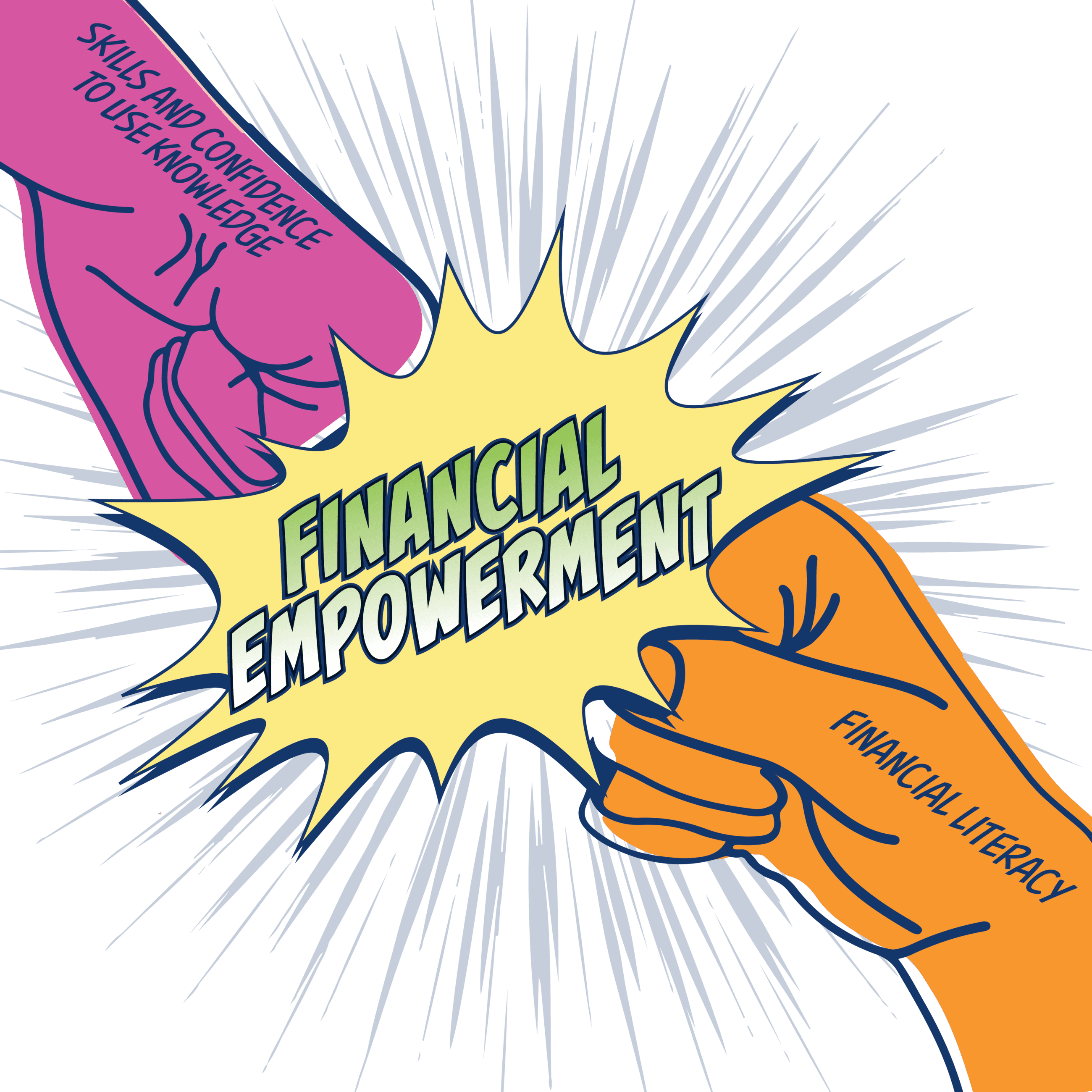
Each city operates under its own program name (Bank On Virginia Beach, Bank On Norfolk, and Bank On Chesapeake), but all programs operate collaboratively under the regional umbrella of Bank On Hampton Roads. Bank On Norfolk is housed within the city's Department of Housing and Community Development, and the program consists of a free five-month financial literacy program that combines classroom instruction with individualized coaching to help participants become financially empowered and feel confident in making sound financial decisions.
Bank On is also coupled with a Matched Savings Program that offers a $150 incentive for participants who complete the rigorous financial literacy program and save $150 of their own money.
The Bank On Norfolk program encourages participants to save and actively manage cash flows, reduce debt, and grow credit in order to have greater access to lower-cost financing options and reduce the impact of mounting debt on their monthly budgets.
Bank On Hampton Roads is one of 100 coalitions that fall under the Cities for Financial Empowerment (CFE) - Bank On Initiative
Bank On Norfolk
In 2023 Bank On Norfolk held two in-person classes at Revive Community and one in-person class at The Slover Library. The face-to-face classes were held once a month on Saturdays from 9:30 - 11:30 a.m.
Alternatively, residents could choose to attend one virtual class each month on Tuesdays, Wednesdays, or Thursdays from 6 - 8 p.m. Classes are offered multiple times each month to allow families with busy schedules the flexibility to complete the program even as their schedules change.
In total, 46 Norfolk residents attended every class of the 5-month financial education program designed to assist citizens in increasing their financial knowledge and empowering them to make sound financial decisions.
The Bank On Program is divided into three main components:
The classes that are offered begin with financial basics and build a foundation of financial management strategies for controlling cash flow, increasing savings, reducing debt, and improving credit scores.
Action Plans are designed to apply principles learned in the classroom environment to the participant's own personal financial situation. Action plans include assignments such as tracking spending, reviewing credit reports and creating a debt reduction plan.
Each participant is paired with a volunteer financial coach. The coach provides accountability and encouragement to ensure that the information gathered through classroom instruction and action plans is being applied to the participant's own personal financial plan.